Not an empty forest
Rainforest people
For a long time, outsiders pictured the great rainforests as untouched wilderness. Lasers, soil science and old pottery now show people living in them, farming them and building cities in them for thousands of years.
Garden cities in the Upano Valley
The CNRS archaeologist Stéphen Rostain began working on the archaeology of the Amazon nearly forty years ago. He says many people believed the region had for the previous 2,000 years and more been home only to tribes similar to those found there today.1 The Upano Valley in Ecuador, which he describes as about a hundred kilometres long and twenty wide between two mountain ranges, changed that.1
In 2015 an aerial LiDAR survey of the valley was commissioned by Ecuador’s National Institute of Cultural Heritage. The laser beam is fine enough to travel through the canopy to the ground, and computer models then strip away the plant cover.1 Published in 2024, the results show more than 6,000 rectangular earthen platforms and plazas, connected by footpaths and roads and surrounded by farmland and drainage, within a 300 square kilometre survey area, with at least 15 settlements.2 Excavations date the platforms and roads to between about 500 BCE and 300 to 600 CE, built by the Kilamope and later Upano cultures. The authors call it the earliest and largest low-density agrarian urbanism documented in the Amazon so far.2
60,000 Maya structures
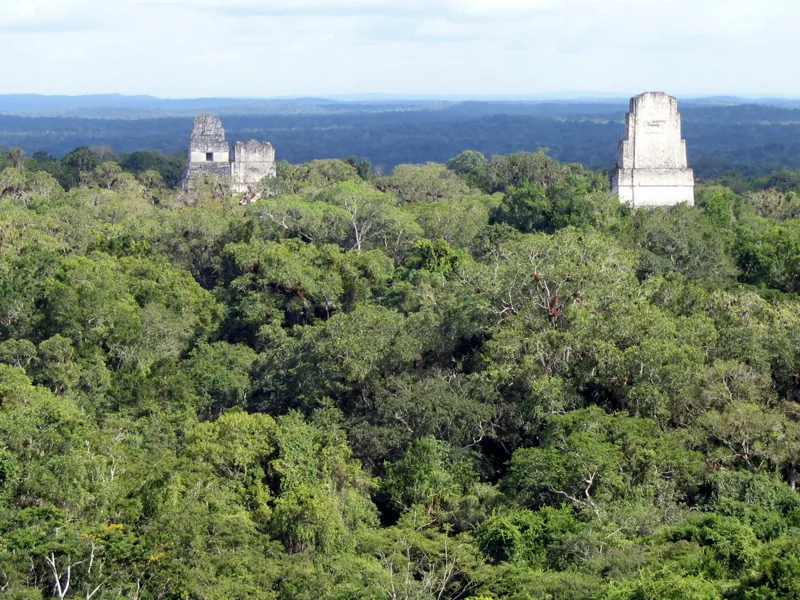
In Guatemala, the PACUNAM LiDAR project mapped more than 2,100 square kilometres (800 square miles) of the Maya Biosphere Reserve in the Petén. It found the ruins of more than 60,000 previously unknown houses, palaces, raised highways and other human-made features hidden under the forest.3 National Geographic called it the largest LiDAR data set ever obtained for archaeological research.3
Dark earth, made on purpose
Most Amazon soils are poor, but archaeologists have found black, fertile patches of ancient soil at hundreds of sites, around settlements hundreds to thousands of years old.4 A 2023 study led by MIT and the University of Florida, working with the Kuikuro people in Brazil’s Xingu, compared ancient dark earth with soils made today. Kuikuro villages keep middens, heaps of food scraps and waste like compost heaps, which break down into a dark, fertile earth that is used to grow crops.4 The researchers argue that ancient Amazonians made dark earth on purpose, and that it locked away carbon for hundreds to thousands of years.4
The first chocolate
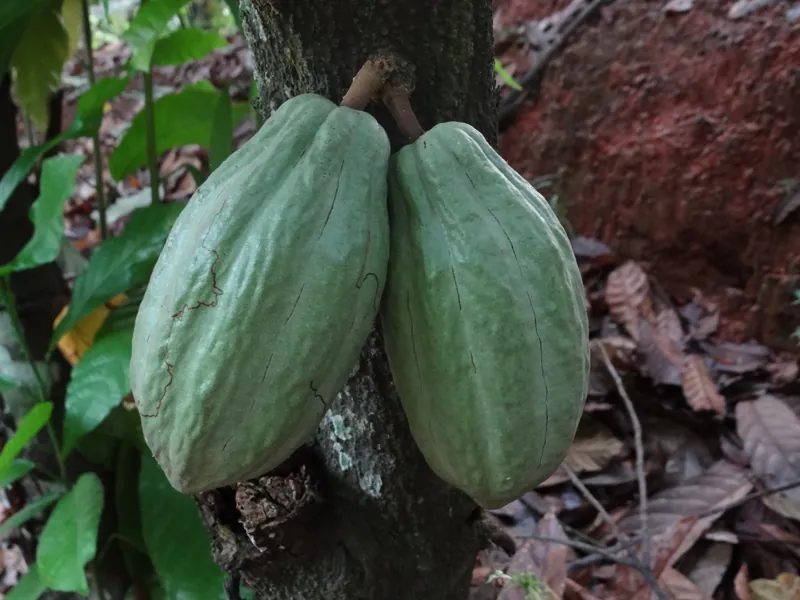
Cacao was domesticated in the upper Amazon, in what is now Ecuador. Pottery from the Santa Ana-La Florida site of the Mayo-Chinchipe culture held cacao starch, theobromine residues and ancient cacao DNA, showing cacao use between 5,300 and 2,100 years ago, about 1,500 years earlier than had been thought.5
Knowledge in the forest
The Chocó people of Colombia tip their blow darts with the skin secretions of the golden poison frog, handling the frogs with waxy leaves; one frog can supply 30 to 50 darts.6 The okapi was known to the Indigenous people of the Ituri Forest for generations before scientists heard of it in 1901.7
What we do not say: we give no population figures for these ancient cities. The researchers do not yet know how many people lived in the Upano Valley, and we have not found a sourced estimate we trust.